At Nexova, we understand the challenges and opportunities of remote collaboration. Drawing from our experiences led us to five essential strategies for successful remote collaboration: blending the right mix of tools, clarity, inclusivity, and emotional intelligence. Effective communication is the backbone of successful remote teams in today’s globally dispersed work environment. Here’s how you can implement these essential strategies:
Choosing the Right Tools: Your Digital Backbone
Imagine trying to build a house with just a hammer and some nails. That’s what it’s like trying to manage a remote team without the right tools. The digital landscape offers a plethora of platforms designed to streamline communication and collaboration.
The digital toolbox you equip your team can make or break your communication ecosystem. The right mix of tools can enhance collaboration, streamline workflows, and reduce information overload.
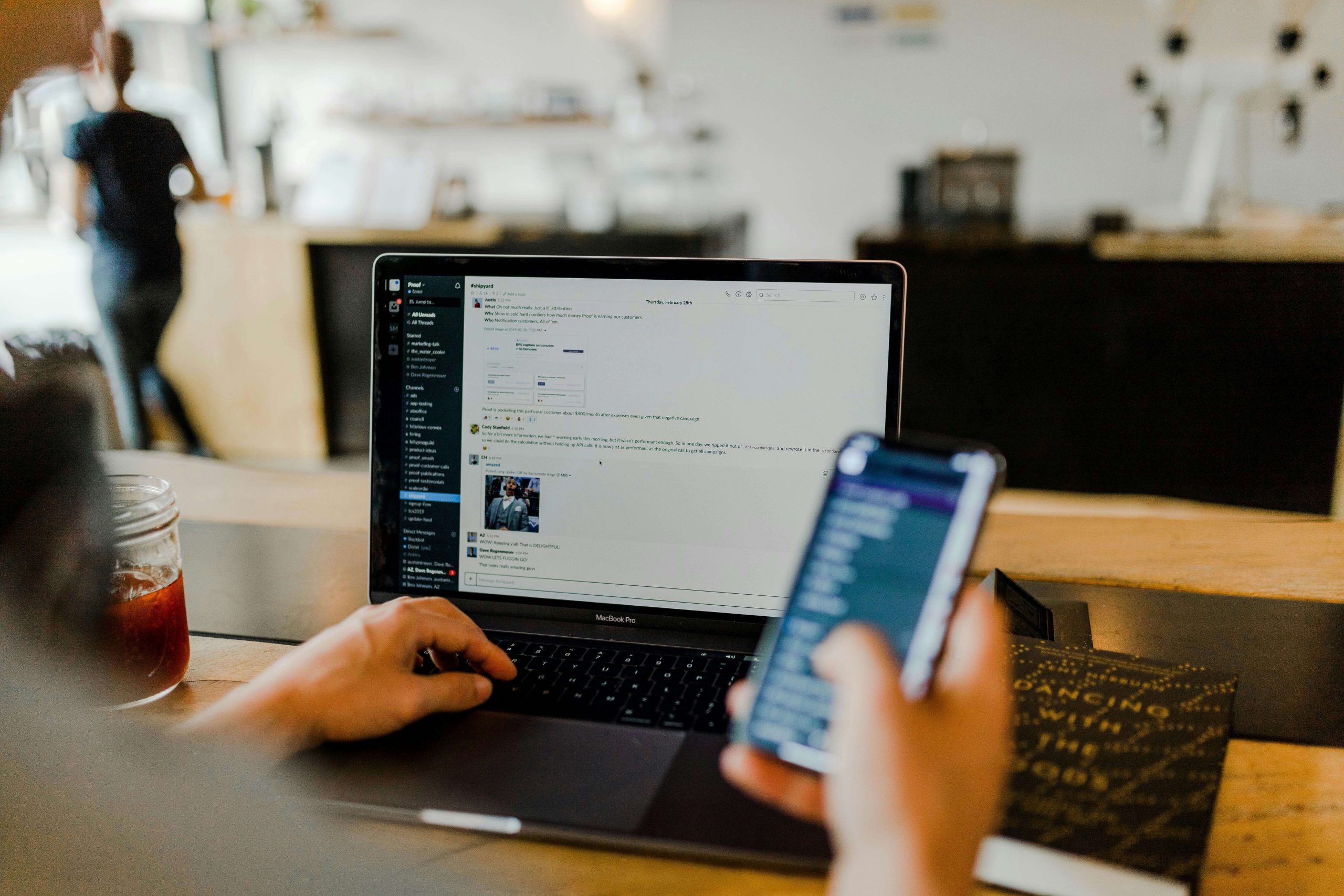
Tools like Slack stand out for their ability to organize conversations into channels, reduce information overload, and ensure that every message finds its rightful place. Project management platforms like Jira, Trello, or Asana ensure transparency, accountability, and autonomy by keeping projects accessible to all stakeholders. When it comes to scheduling, an open calendar system like Google Calendar fosters efficiency, allowing team members to schedule meetings, saving hours spent in the back-and-forth hassle of finding a suitable meeting time and respecting everyone’s time. For the non-native English speakers in your global team, tools like Grammarly can significantly enhance written communication, ensuring clarity and understanding across the board.
Start by assessing your team’s specific needs and workflows. Conduct a team survey to identify communication pain points and tool preferences. Based on the feedback, trial two or three tools that best match your team’s needs and monitor their impact on communication effectiveness and productivity. Ensure all chosen tools are user-friendly and integrate well with each other to create a seamless workflow.
Clarity and Precision in Digital Communication: Say What You Mean
In a remote setting, the absence of face-to-face cues makes clarity in communication non-negotiable. The lack of non-verbal cues in digital communication can lead to misunderstandings. Clear, concise communication is vital to prevent ambiguity and ensure that messages are understood as intended.
We’ve all faced the endless back-and-forth that stems from a vaguely worded request or the misunderstandings that arise from a poorly explained task. To combat this, it’s essential to cultivate a culture of radical candor and constant feedback, where messages are concise, direct, and devoid of ambiguity. An actionable tip? Always include the “what,” “why,” and “how” in your communications. It’s a simple strategy that can save your team countless hours of confusion.
We advocate for a culture of radical candor and constant feedback, where messages are concise and direct, leaving no room for ambiguity. This approach streamlines communication and respects the recipient’s time, allowing them to respond effectively without unnecessary back-and-forth. Establish guidelines for effective digital communication. Encourage team members to be direct and to the point, especially when conveying action items or deadlines. Use bullet points for clarity, and always proofread messages for potential misunderstandings.
Create a communication style guide that includes best practices for clear digital communication, emphasizing clarity, directness, and the importance of including all necessary details in every message. Include examples of structuring different messages, from project updates to feedback requests, and share this guide with your team.
Embracing Asynchronous Communication as the Norm
Embracing asynchronous communication acknowledges and respects a diverse team’s individual work rhythms and time zones. This approach recognizes the diverse time zones in a global team and honors each member’s workflow. It empowers team members to contribute thoughtfully to their schedule, fostering inclusivity and work-life integration. This practice ensures that no one is left out of crucial conversations and decisions, regardless of geographical location.
A challenge we often encountered was ensuring that team members in different time zones felt included and up-to-date. Our solution? Make asynchronous communication the default for non-urgent matters. Encourage comprehensive project updates, detailed meeting notes, and recorded video updates to keep everyone informed.
Implement a routine where each team member posts a daily or weekly update in a designated channel or tool, summarizing their progress and next steps. This practice keeps the team aligned and informed, irrespective of time zone.
Setting Clear Communication Expectations and Boundaries
Remote work means something other than being on call 24/7. Setting explicit communication guidelines is critical. This includes defining the preferred channels for different types of communication, response time expectations, and ‘offline’ hours to respect personal time. Without clear expectations, remote work can blur the lines between personal and professional time, leading to burnout. Such boundaries encourage work-life integration and prevent burnout, contributing to the team’s overall well-being. It’s about creating an environment where team members can feel disconnected without the fear of missing out. Remember, a well-rested team is a productive team.
One challenge we’ve grappled with is the pressure team members feel to remain constantly available, exacerbated by receiving off-hours messages from colleagues in different time zones. Implementing a one-size-fits-all solution, such as restricting message flow based on a single time zone, isn’t practical or fair. Instead, we encourage team members to adopt strategies for disconnecting outside work hours. This could include using separate computer profiles for work and personal use to avoid the temptation of checking work emails or apps inadvertently and customizing phone settings to limit notifications to non-work-related apps during downtime. These measures help maintain a healthy work-life balance and respect everyone’s personal time.
Define specific communication protocols, such as expected response times for different types of messages and preferred channels for various communications. Encourage team members to respect ‘offline’ hours and use status indicators to signal availability.
Develop a communication charter that outlines these expectations and boundaries. Include guidelines on when to use email vs. instant messaging, acceptable response times, and ‘offline’ hours. Review and update the charter regularly with team input.
Emotional Intelligence in Communication
The role of emotional intelligence (EI) in remote communication is critical. It’s particularly important in remote settings, where written communication dominates. Understanding and empathizing with team members, recognizing tone, and responding with emotional awareness can significantly enhance team cohesion.
As leaders, we’ve experienced our share of team members sharing their grievances about another team member with us due to the perceived tone in written messages, which led to unnecessary tension. Given the absence of vocal tone and body language, it’s all too easy for the stress or emotions of the moment to color our interpretation of a message. Rather than jumping to conclusions about an “off” tone, giving the benefit of the doubt is wise. A case in point from our own experience involved team members concerned about perceived anger in a colleague’s messages, only to discover that the root of the misunderstanding was the absence of emojis, which they had interpreted as a sign of displeasure. This highlights the importance of choosing our words carefully and maintaining an open, understanding mindset in our digital interactions.
Training and encouraging team members to apply EI in their communication, including self-awareness, self-regulation, motivation, empathy, and social skills, and encouraging them always to assume good intent enhances team dynamics, leading to a supportive and cohesive work environment. Encourage practices like active listening, asking open-ended questions, and expressing appreciation.
Organize regular EI workshops or training sessions. Incorporate EI practices into daily communication, such as starting meetings with check-in on how team members feel or encouraging sharing of personal wins and challenges.
Overcoming Challenges with Effective Strategies
By implementing these strategies, you can build a communication ecosystem that facilitates transparent and efficient exchanges and fosters a supportive and inclusive remote work culture. Remember, the goal is to create an environment where every team member feels heard, respected, and valued, regardless of location.
We’ve navigated through our share of challenges, from messages lost in translation to projects stalled by timezone mismatches. For instance, we noticed a trend of projects hitting snags because team members needed to account for their colleagues in different time zones, leading to delays and frustration. However, by reinforcing standard operating procedures like leaving written meeting notes and adopting flexible schedules for cross-time zone collaboration, we’ve turned these challenges into opportunities for growth.
Moreover, we tackled the issue of over-reliance on unproductive, lengthy synchronous meetings, which often alienated team members in less convenient time zones. We fostered a more inclusive and flexible work environment by shifting our default to asynchronous communication, supplemented by synchronous sessions when absolutely necessary.
Our strategies have yielded tangible results. From onboarding new team members within two weeks to maintaining high eNPS scores and low turnover rates, the proof is in the pudding. Our comprehensive asynchronous onboarding process and structured communication channels have been essential to scaling our team across 22 countries without compromising our company KPIs.
Empowering your remote team through effective communication is a journey, not a destination. It’s about continuously adapting, learning from challenges, and celebrating successes. By equipping your team with the right tools, fostering clarity and inclusivity in communication, setting healthy boundaries, and nurturing emotional intelligence, you’re not just enhancing productivity but building a remote work culture that thrives on respect, understanding, and genuine connection. At Nexova, we’ve seen firsthand the transformative power of these strategies and are here to help you navigate this journey.
Ready to revolutionize your remote team’s communication? Let’s chat.